

Every IPL franchise operates on the same scaffolding — 18-match league stage, 25-player squad, 120-crore purse — but the franchises themselves differ widely in how they use that scaffolding. Understanding the differences is the foundation of good fantasy and good editorial coverage.
The captain-coach axis
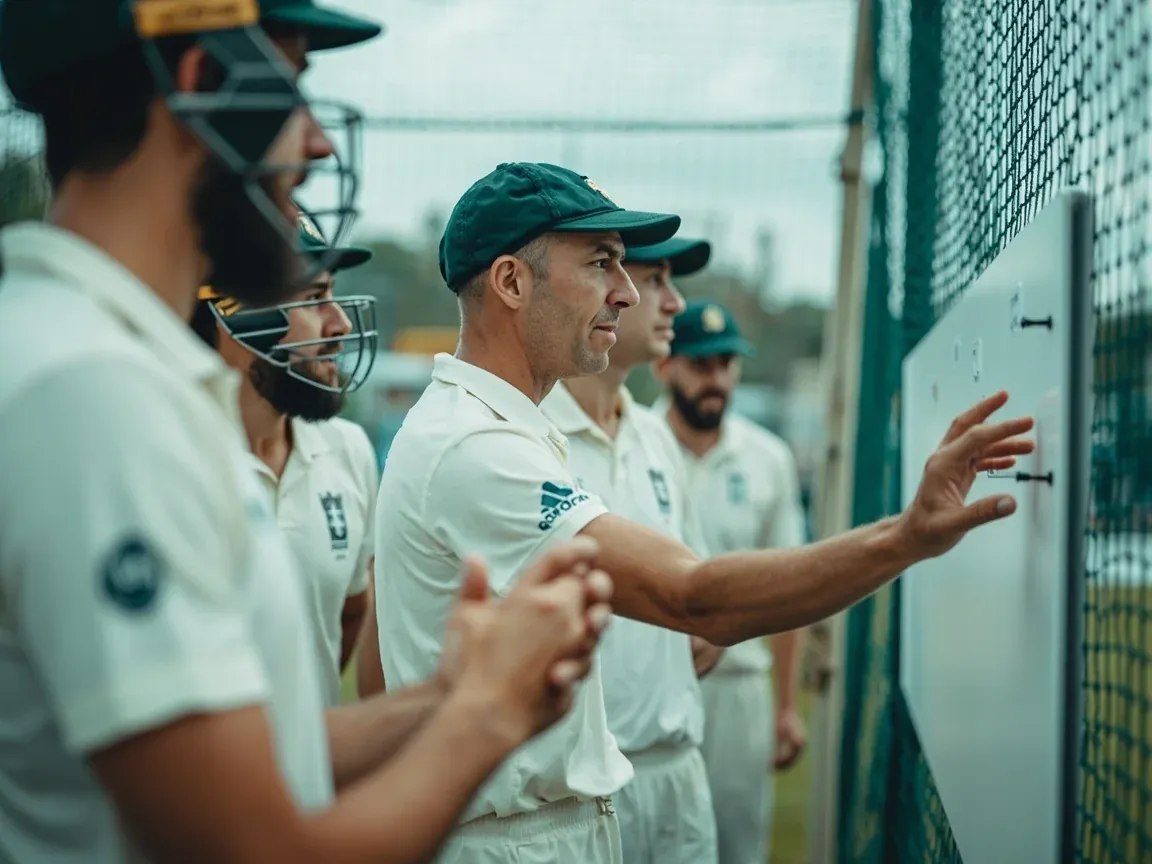
The captain-coach axis is the most important variable in any franchise’s season. The captain sets on-field decision-making; the coach sets selection philosophy and training intensity. Franchises where the captain and coach are aligned (RCB under Patidar, GT under Gill) tend to outperform franchises where the alignment is poor.
The auction philosophy
Auction philosophy varies widely. CSK historically buys experience; MI buys Indian talent; RCB buys marquee overseas players; KKR buys bowling all-rounders. Each philosophy has a ceiling and a floor. The 2026 cycle has so far rewarded the franchises that built balanced squads over the ones that chased marquee players.
The home advantage
Home advantage in the IPL is roughly +5% win probability, but the variance is large. Some venues (Chennai, Mumbai) play true to their historical form; others (Bengaluru, Hyderabad) flip between batting and bowling paradises depending on the pitch used. The desk tracks home advantage on a per-venue basis, not as a league-wide constant.
The overseas slot
Each franchise plays four overseas players in the XI, chosen from a squad of 6–8. The overseas slot is the most fluid part of the XI — a player who is in the XI in April may be out by May. The desk tracks overseas selection weekly because the fantasy upside is concentrated in this group.